


Despite years of global investment, the water crisis is far from solved. The UNSD report shows that 2.2 billion people still lack access to safely managed drinking water, while 3.4 billion live without safely managed sanitation. The same report also highlights that only 56% of domestic wastewater is safely treated. At the current pace, the world will not achieve sustainable water management until at least 2049.
In India, urban centers generate 72,368 MLD of sewage, yet installed treatment capacity is only 31,841 MLD (~50%). And only 28% of that sewage actually gets treated. The remaining 72% flows untreated into rivers, lakes, and aquifers. These figures show the scale of the water waste management crisis.
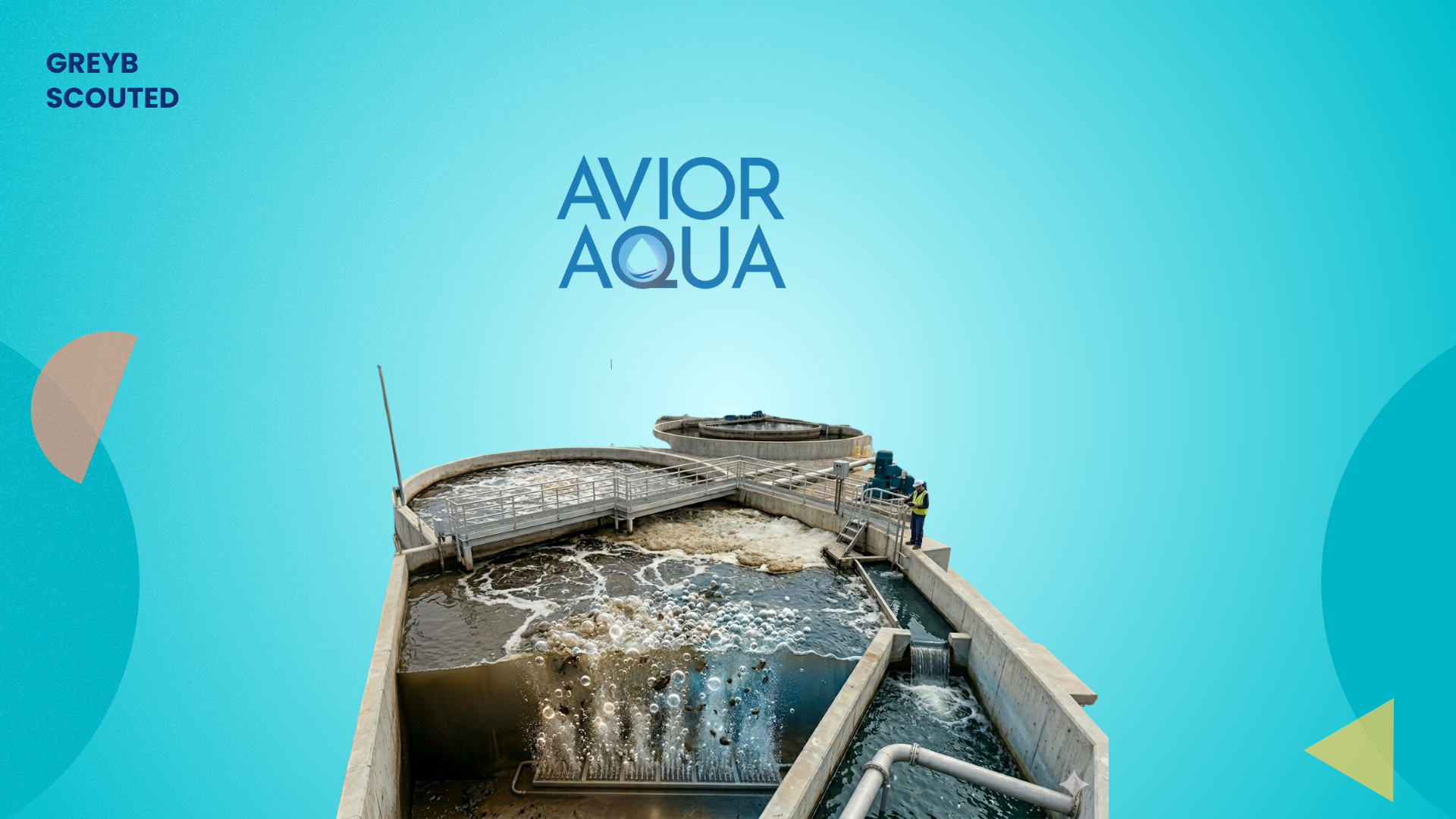
Startups like Avior Aqua are trying to address this problem by improving one of the most energy-intensive and inefficient parts of water treatment: aeration.
To better understand how they are doing it, we spoke to Sushant Das, Founder & CEO of Avior Aqua. This article contains notable highlights from our entire conversation.
This interview is part of our exclusive Scouted By GreyB series. Here, we speak with the founders of innovative startups to understand how their solutions address critical industry challenges and help ensure compliance with industry and government regulations. (Know more about startups scouted by GreyB!)
Also Read:
“The next big reason for the next war would be water.”
– Sushant Das
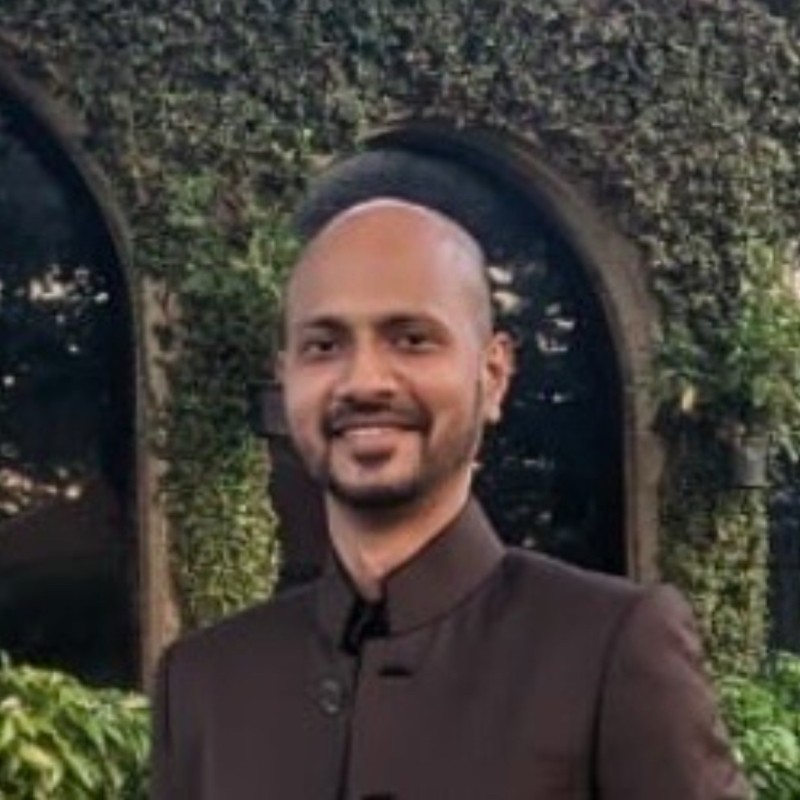
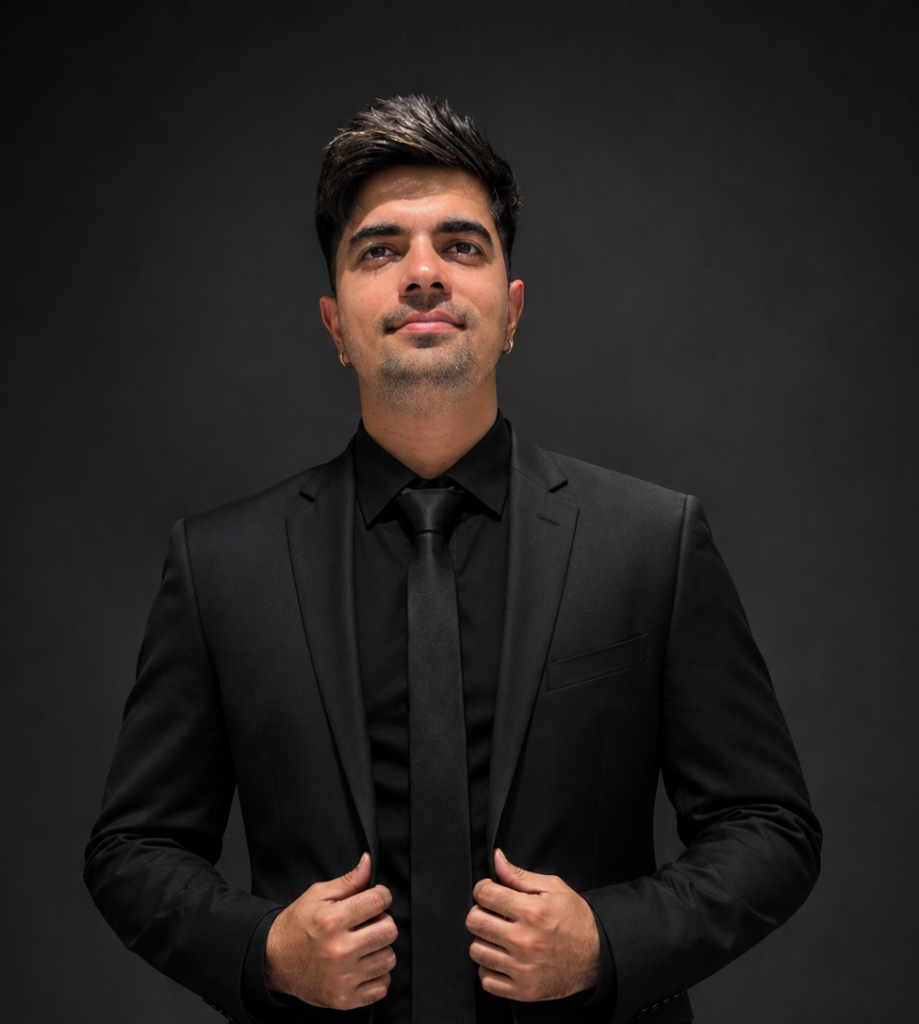
Sushant Das is the Founder & CEO of Avior Aqua, which he co-founded with engineering, healthcare, IT, and marketing professionals, united by a shared concern for India’s water crisis. Overseeing product development, engineering, and operations, Sushant has steered the company’s mission to make non-potable water reusable through nanobubble technology.
Under his leadership, Avior Aqua has successfully piloted lake rejuvenation in Mira Bhayandar, conducted pilots at Wankhede Stadium and Pirana STP in Ahmedabad, won the MSW 2025 award, and earned selection in India’s national Amrut 2.0 “Pitch to Pilot” challenge.
Avior Aqua is making water treatment more efficient with nanobubbles
Avior Aqua generates nano-sized bubbles of oxygen, air, or ozone compared to the larger bubbles used in the water treatment industry. These small bubbles remain dissolved longer in water, thereby improving gas transfer.
This technology can be applied across sewage treatment plants, industrial effluent plants, lake rejuvenation, swimming pools, agriculture, stadium turf, and golf courses.
The vision of Avior Aqua with this technology is to improve oxygen transfer in water, reduce chemical use, and make existing water treatment systems more efficient without always requiring a complete infrastructure rebuild.
What does Avior Aqua’s technology do in simple terms, and how is it different from traditional aerators?
Sushant: In simple terms, we make bubbles extremely small. Traditional aerators create larger bubbles that rise to the surface and escape within seconds. As a result, only about 5–10% of the gas typically dissolves in water, and the rest is wasted. This is why aeration machines often need to run 24/7.
Our technology replaces conventional aeration with nanobubbles. Each bubble is smaller than 150 nanometers, so it can remain in water for months when kept in a controlled environment. Because the bubbles are so small, we achieve much higher gas dissolution, which makes the treatment process more efficient.
The core technology is the same across applications, but the equipment varies by use case. A sewage plant, swimming pool, lake, and industrial effluent plant all need different setups, even though the underlying nanobubble principle remains the same.
How can this technology improve sewage treatment plants?
Sushant: Sewage treatment depends heavily on oxygen because biological oxygen demand, or BOD, is one of the key parameters. If a sewage treatment plant uses normal air for aeration, we can replace it with oxygen nanobubbles. By changing that part of the system, the same plant can often treat more water while maintaining the same power consumption.
For example, if a plant is designed for 100 million liters per day, replacing conventional aeration with nanobubbles can help increase the plant’s capacity significantly. In some cases, we can double capacity without doubling the infrastructure. The treated water quality also improves, making it more suitable for reuse.
This matters because most treatment plants rely heavily on aeration, and much of the gas being pumped into the water is wasted. We are trying to make that gas transfer more efficient, so the same treatment plant can do more with less.
How do you maintain consistent performance when water quality varies so much?
Sushant: We first look at the existing water parameters and what the client expects after treatment. Based on that, we decide on the equipment, dosage, and supporting systems. Nanobubbles are usually part of a larger treatment approach, so sometimes we also need filters, screens, probiotics, or other solutions.
For sewage water, we may use a general thumb rule for biological demand, but if the incoming sewage is worse than expected, we increase the dosage. If the water is better than expected, we can either reduce the dosage or use the same equipment to increase the treatment capacity.
So the technology is not a one-size-fits-all machine. The core remains nanobubbles, but the treatment design is customized to the site.
What would an industrial client see in terms of cost and ROI?
Sushant: It depends on the application. Some industrial clients use our system for wastewater treatment, but others use it to optimize their actual production process. For example, in textiles, water is a major part of dyeing. With this technology, we can reduce water use in that process by a large percentage.
If the system is only for wastewater treatment, the capital cost may be around five to ten lakhs, depending on the size and complexity. For process optimization, the range can start from around one and a half to two lakhs and go up to a few crores.
Clients do not only measure chemical reduction. They also look at power savings, operational savings, process efficiency, and the quality of water coming out. Chemical reduction is one visible benefit, but the actual ROI usually comes from a combination of many improvements.
How quickly can a new installation start showing results?
Sushant: Once the equipment is installed, results can usually be seen within a week or two. The manufacturing and delivery of the equipment can take around one to two months, but the treatment impact after installation is quite fast in most use cases.
Lakes are different. A lake is like a large living organism, and every lake behaves differently. Lake rejuvenation is more dependent on nature, so we generally suggest a minimum of three months before expecting visible changes.
For sewage plants, swimming pools, farms, or industrial systems, the results are much faster. In many cases, the difference is almost instant once the system starts operating.
Where is Avior Aqua seeing strong use cases beyond wastewater?
Sushant: Agriculture is one important use case because we increase oxygen levels in water. When plants receive oxygen-rich water, we have seen better output, stronger plants, and better resilience. In one pilot near Navi Mumbai, basil grown during summer survived high temperatures while the control batch failed.
We are also working with stadiums and golf courses because root oxygenation is a major challenge in turf management. Stadiums often have brown patches, and sometimes fake grass is used to cover them during matches. By improving oxygen availability at the root level, we can help maintain healthier turf.
We are also developing smaller products for household use. Today, our machines are still too large for individual homes, but we are working on a compact version that could eventually fit into a domestic setting.
What are your expansion plans for the next five years?
Sushant: For the next five years, our focus is on the environment. That means sewage, effluent, lakes, water bodies, and wastewater. We want to go deep into these areas and maximize our impact there before spreading ourselves too thin.
We are also researching healthcare and wellness applications. I think within the next two years, we may enter healthcare in some form, but the main focus will remain on environmental applications.
Nanobubbles have many potential use cases, but one company cannot cover everything at once. We want to focus on the areas where we can create the most immediate impact.
How do you protect the novelty of your technology?
Sushant: We have filed patents, and we are constantly filing more. Protecting our work is important, but I do not want nanobubble technology to remain limited to only Avior Aqua. Even in the next 50 years, one company will not be able to cover all possible applications of nanobubbles.
The nanobubble community is very collaborative. A lot of companies and researchers openly publish their work, and that helps everyone. International research done by others also helps me in business development because it builds trust in the category.
So yes, we are protecting what we build, but we are also open to collaboration. If someone wants to use our technology for something like drug delivery, and it makes sense, we would be open to working with them. The more this technology spreads right now, the faster it will be adopted over the next five years.
Meet our Interviewer – Anusha Srivastava, Senior Research Analyst
Anusha Srivastava, Senior Research Analyst
Want to find other scalable startups working on water treatment technologies? Please fill out the form below to contact our experts.